
Sensory and Play: Understanding Autism and Other Neurodivergent Conditions
September 12, 2026, 8:00-3:15 at Barton Community College Fine Arts Auditorium


CEUs are approved for social workers.
What is autism spectrum disorder?
Autism, or autism spectrum disorder (ASD), refers to a broad range of conditions characterized by challenges with social skills, repetitive behaviors, speech & nonverbal communication. We know that there is not one autism but many subtypes, most influenced by a combination of genetic & environmental factors.
Because autism is a spectrum disorder, each person with autism has a distinct set of strengths & challenges. The ways in which people with autism learn, think, & problem-solve can range from highly skilled to severely challenged. Some people with ASD may require significant support in their daily lives, while others may need less support &, in some cases, live entirely independently. (edited from autism speaks, autismspeaks.org)
What we know about autism:
Autism affects 1 in 31 children and 1 in 45 adults
Boys are about 4 times more likely than girls to be diagnosed with autism.
Autism is a lifelong condition.
15 percent of people with autism are nonverbal.
60 percent of autistic preschool-age children wander from safety.
Each year, an estimated 50,000 teens with autism become adults - and lose school-based autism resources.
The cost of public healthcare to autistic adults exceeds $10.5B annually.
Certain medical and mental issues frequently accompany autism, such as gastrointestinal disorders, seizures, sleep disturbances, attention deficit and hyperactivity disorder (ADHD), anxiety, and depression.
Supporters of the Autism Workshop
Pilot International
Great Bend Pilot Club
Great Bend Community Foundation
Todd Armatys
Richard Johnson Memorial
Great Bend Pilot Club Past President Honorarium
Great Bend Pilot Club received a $5,000 matching grant from Pilot International to help sponsor the Autism Workshop
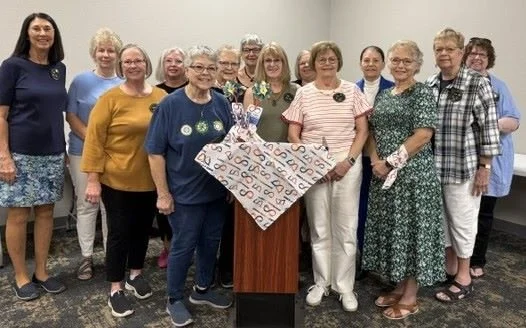
Great Bend Pilots host the Chamber Coffee to speak about the Autism Workshop
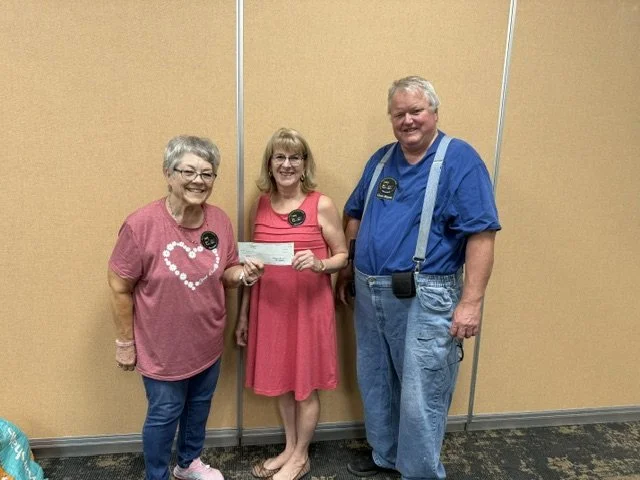
Betty Schneider, Autism Workshop treassurer, Ros Neeland, coordinator of the workshop and Chris Rippe lreceive the $5,000 check from PI for the workshop.
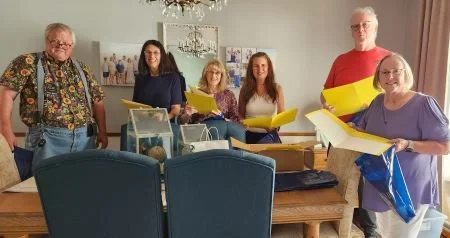
Chris Rippel, Tina His, Ros, Barb Watson, Dan Watson and Connie Cale fill the remaining bags for the Autism Workshop.
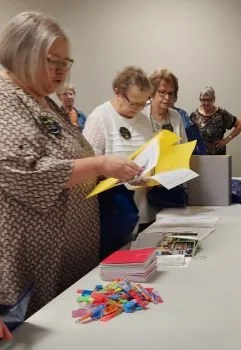
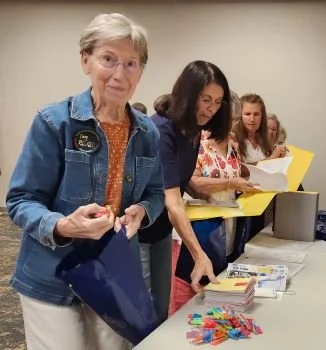
Pilots fill the bags for the Autism Workshop for the people attending the Autism Workshop.
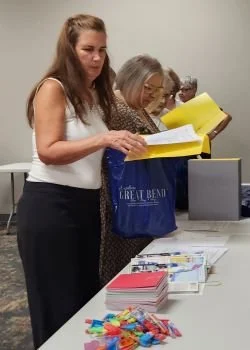
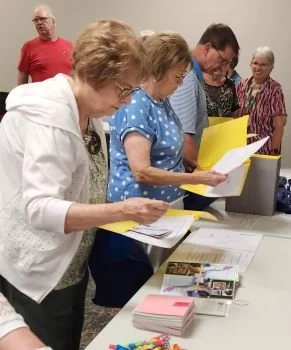
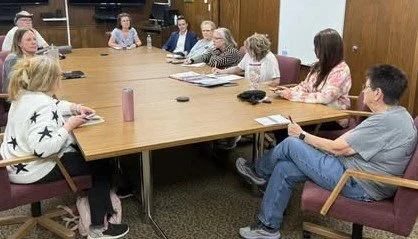
Autism Group working on putting together the Autism Workshop (Sensory and Play: Understanding Autism and Other Neurodiverent Conditions) scheduled for September 12, 2026 at BCC Fine Arts Department.
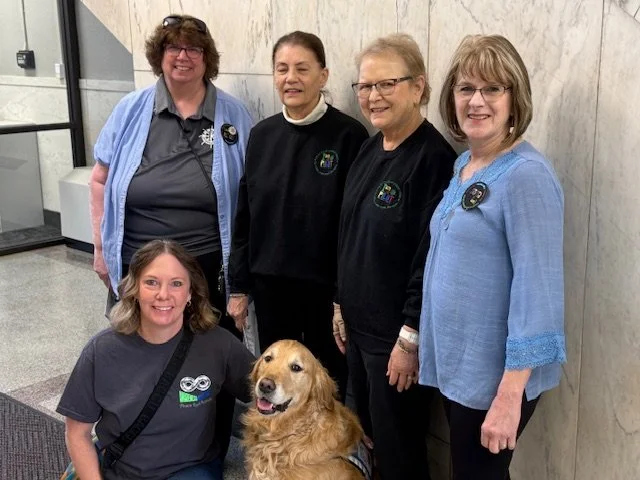
Pilots attending the proclamation for the Autism Workshop are Allison Burkart, Rhonda Knudson, Rene Johnson, Joyce Beadles-Fry and Ros Neeland.